Trabajo con material Montessori en el aula de 3 años Vida práctica, matemáticas y sensorial
En el ambiente Montessori para niños de 3 años, cada actividad se convierte en una oportunidad valiosa para aprender a través de la exploración y la experiencia directa. A esta edad, los pequeños son curiosos por naturaleza y están ansiosos por descubrir el mundo que les rodea. Con el enfoque Montessori, se les brinda un espacio diseñado para fomentar su independencia y desarrollar habilidades esenciales que les acompañarán en su vida diaria.
Vida práctica
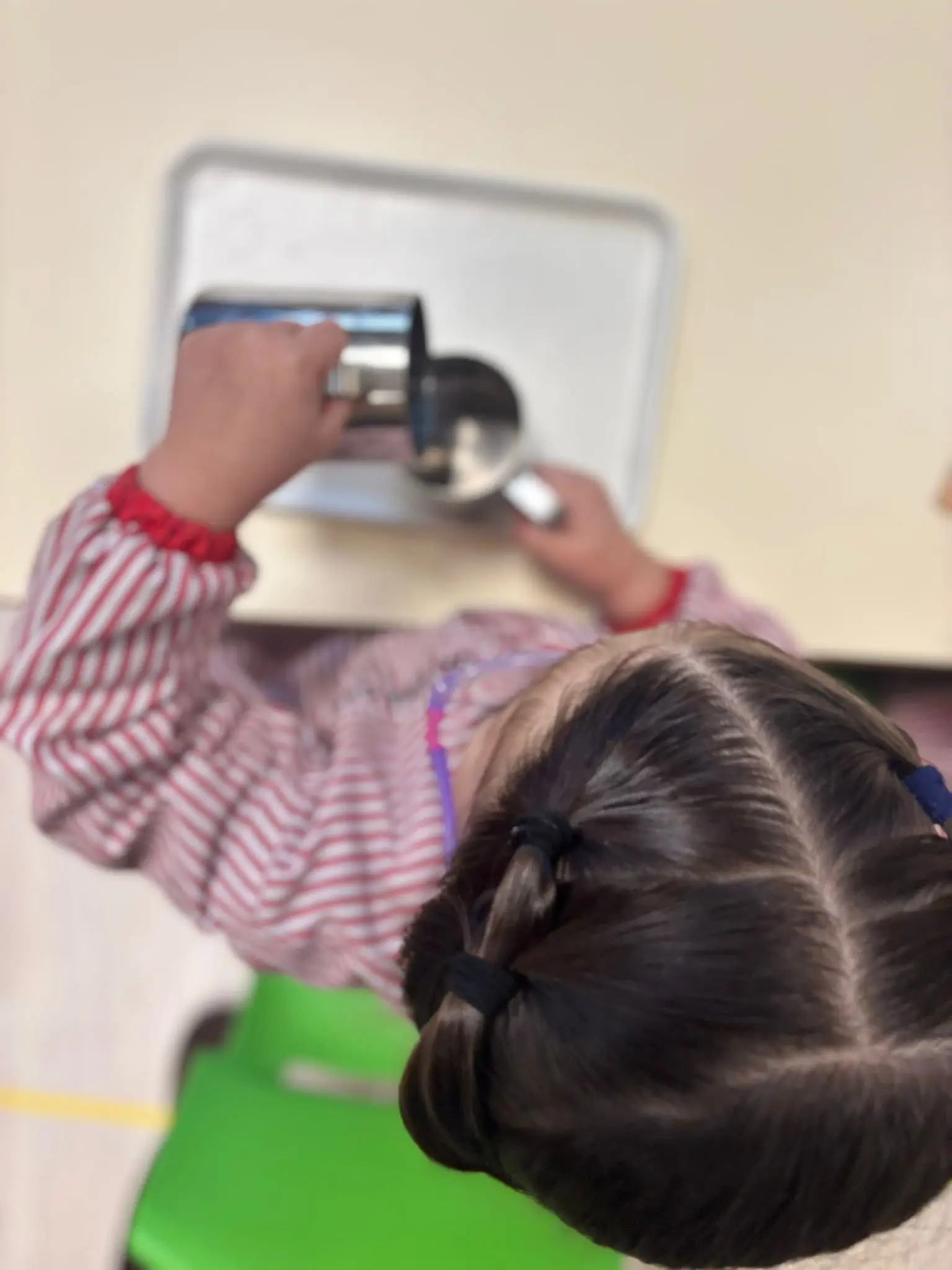
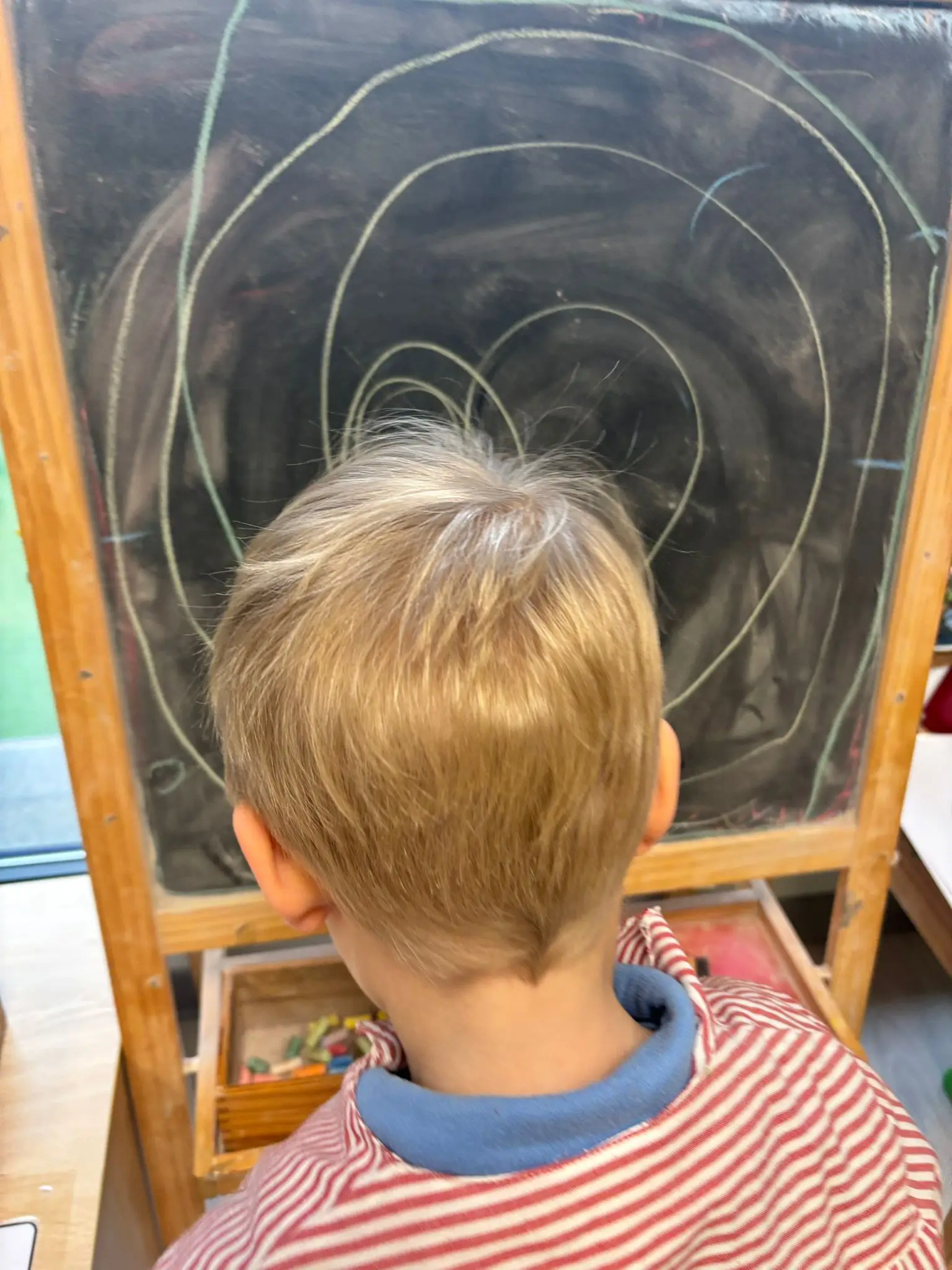
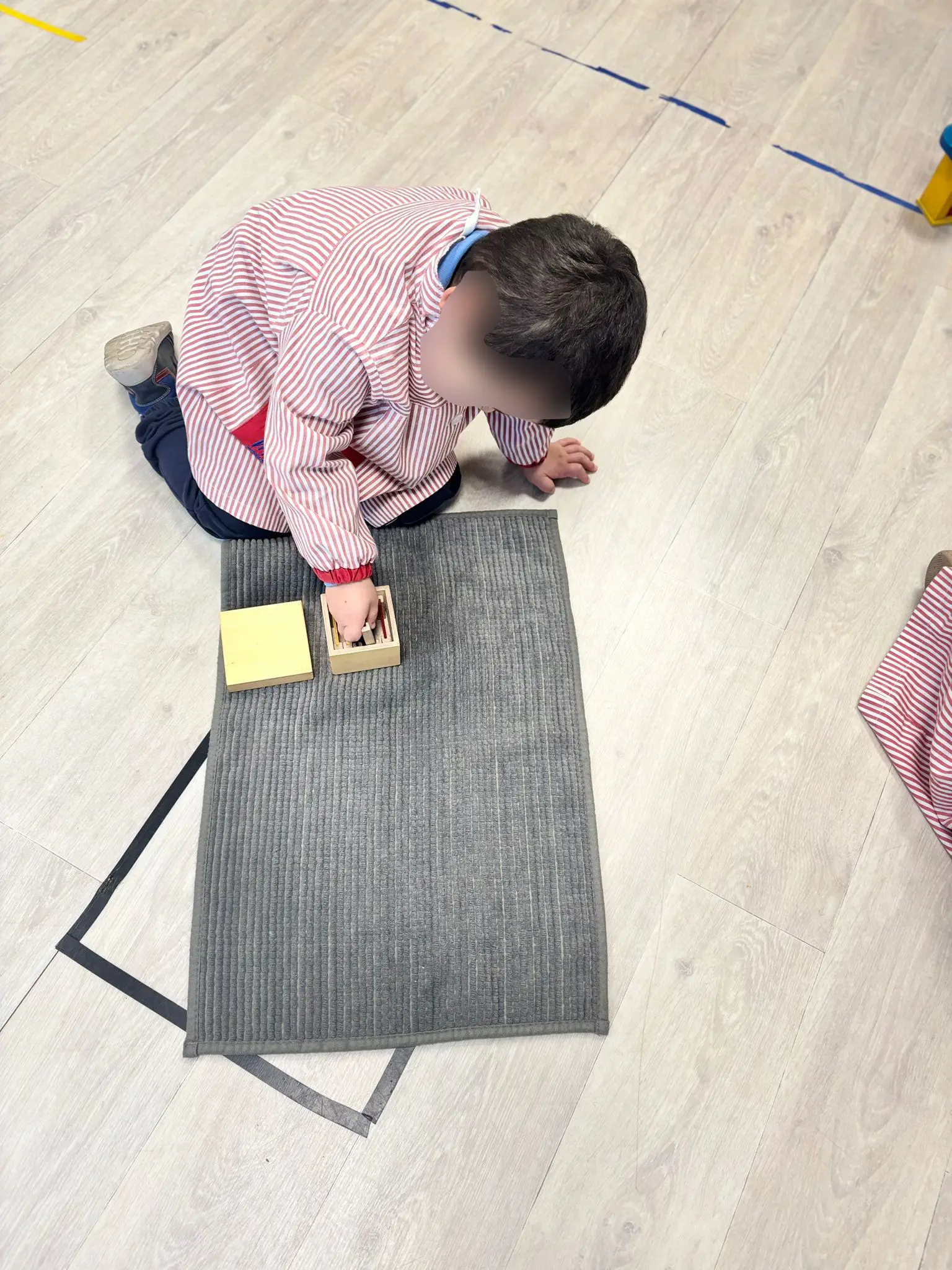
Las actividades de vida práctica son fundamentales en el método Montessori. Estas tareas permiten a los niños aprender habilidades que no solo son útiles en el aula, sino también en su vida cotidiana. Por ejemplo, actividades como verter agua, abotonar camisas o limpiar mesas no solo desarrollan su motricidad fina, sino que también les enseñan responsabilidad y organización.
Los niños se sienten felices al ser capaces de realizar estas tareas por sí mismos. Con el tiempo, esta autonomía se traduce en confianza, lo que les impulsa a asumir nuevos retos tanto en el aula como en su hogar. Además, estas actividades fomentan la concentración y la coordinación, elementos clave para el aprendizaje en todas las áreas.
Matemáticas
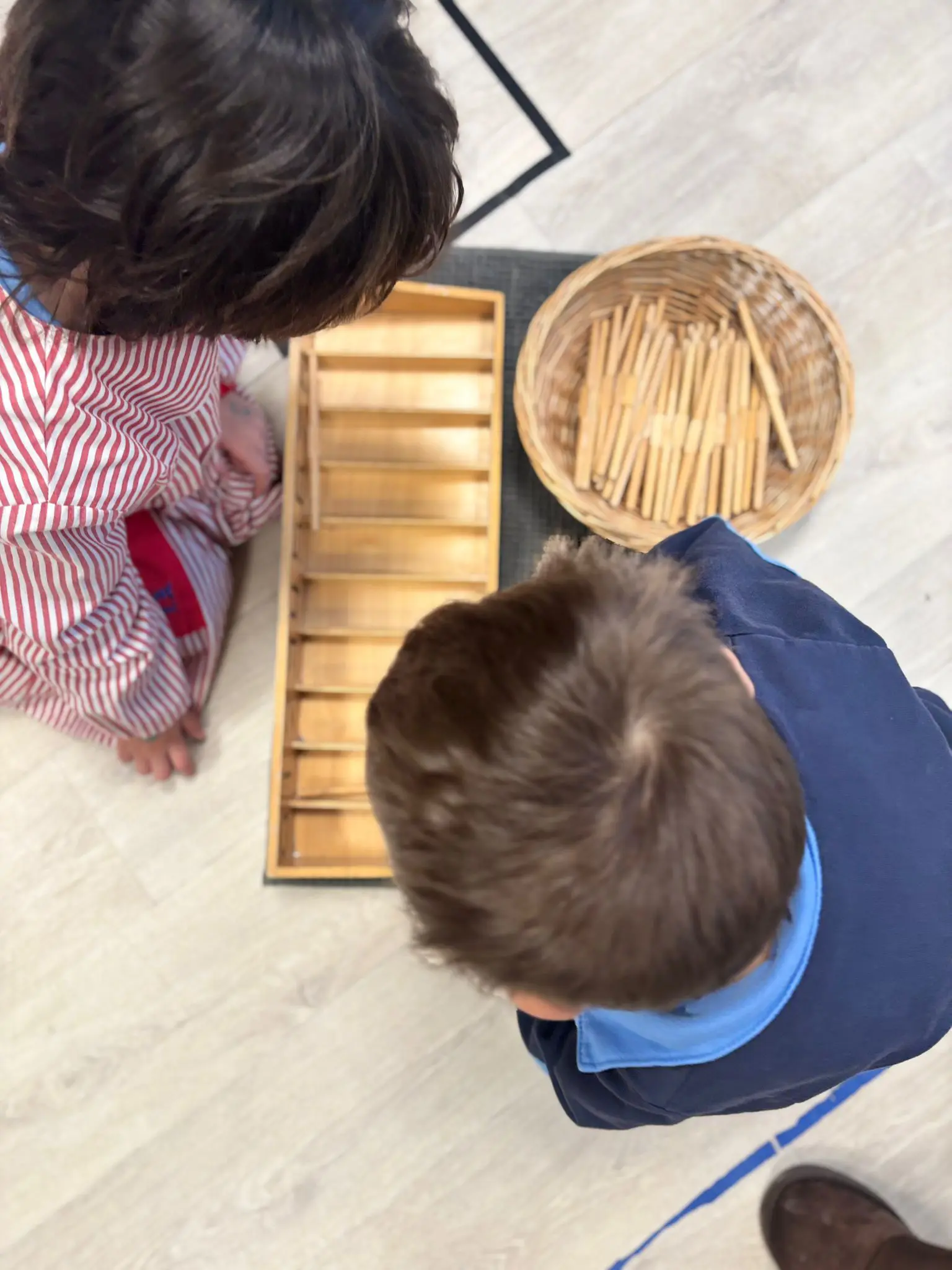
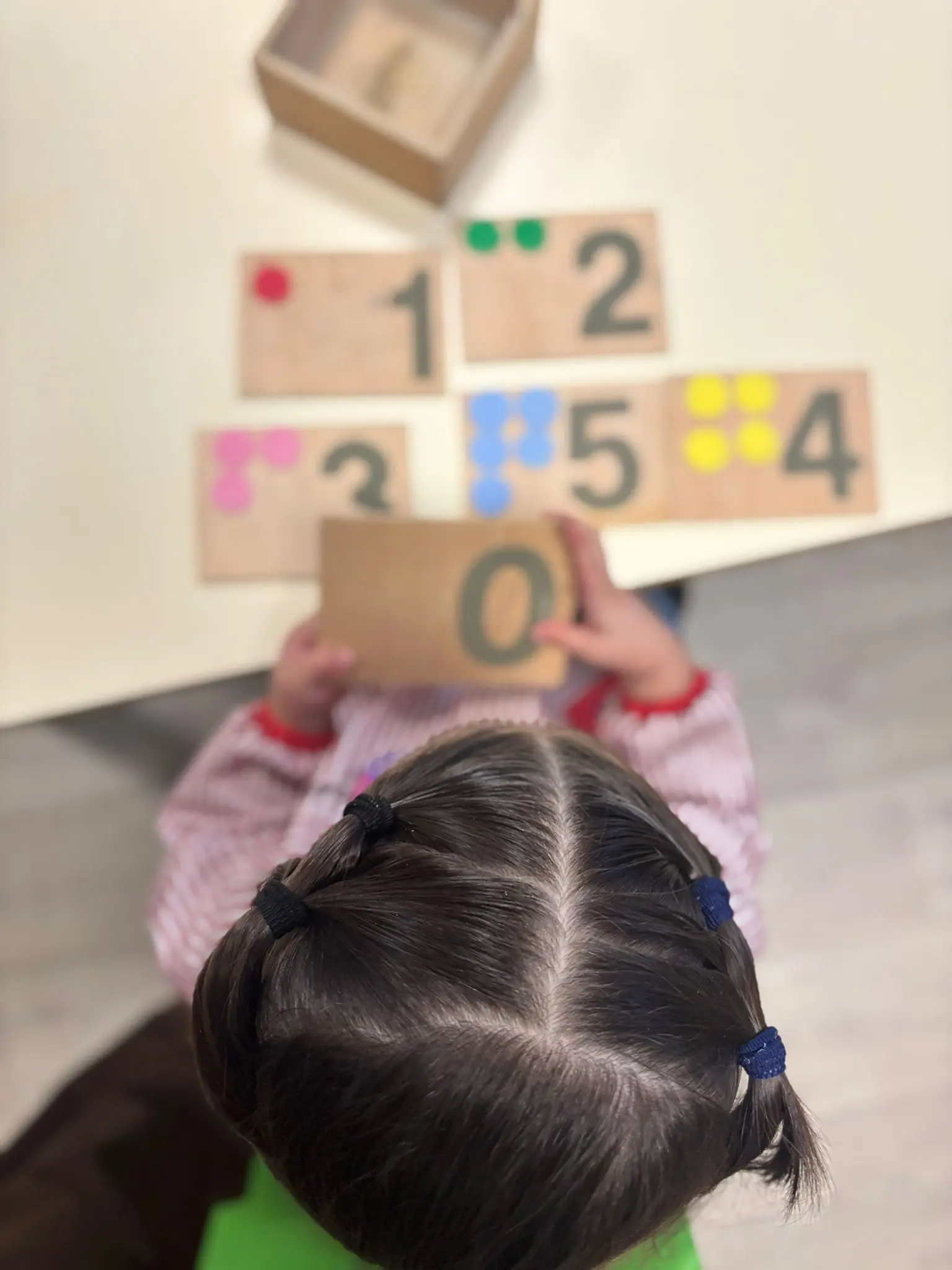
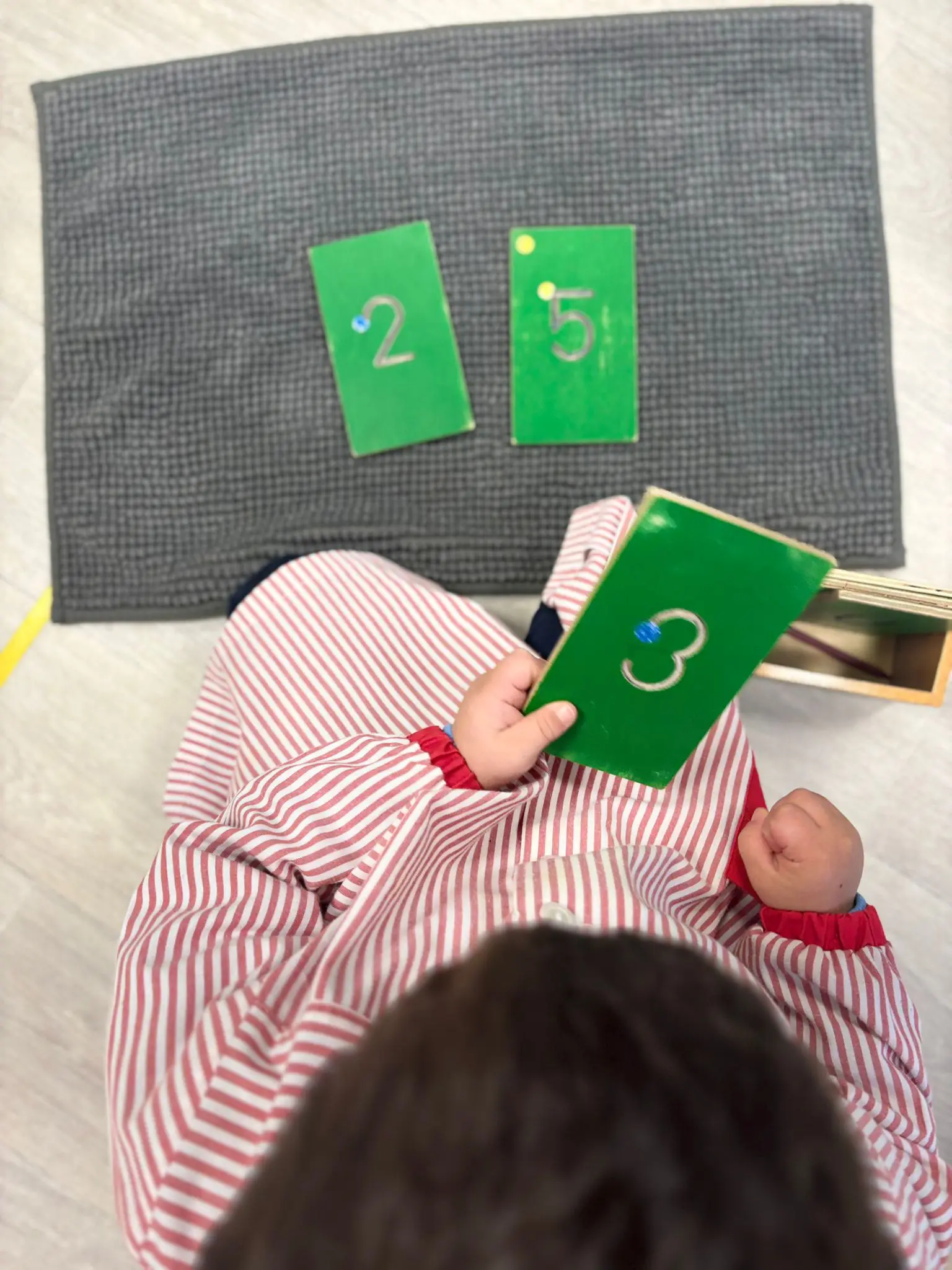
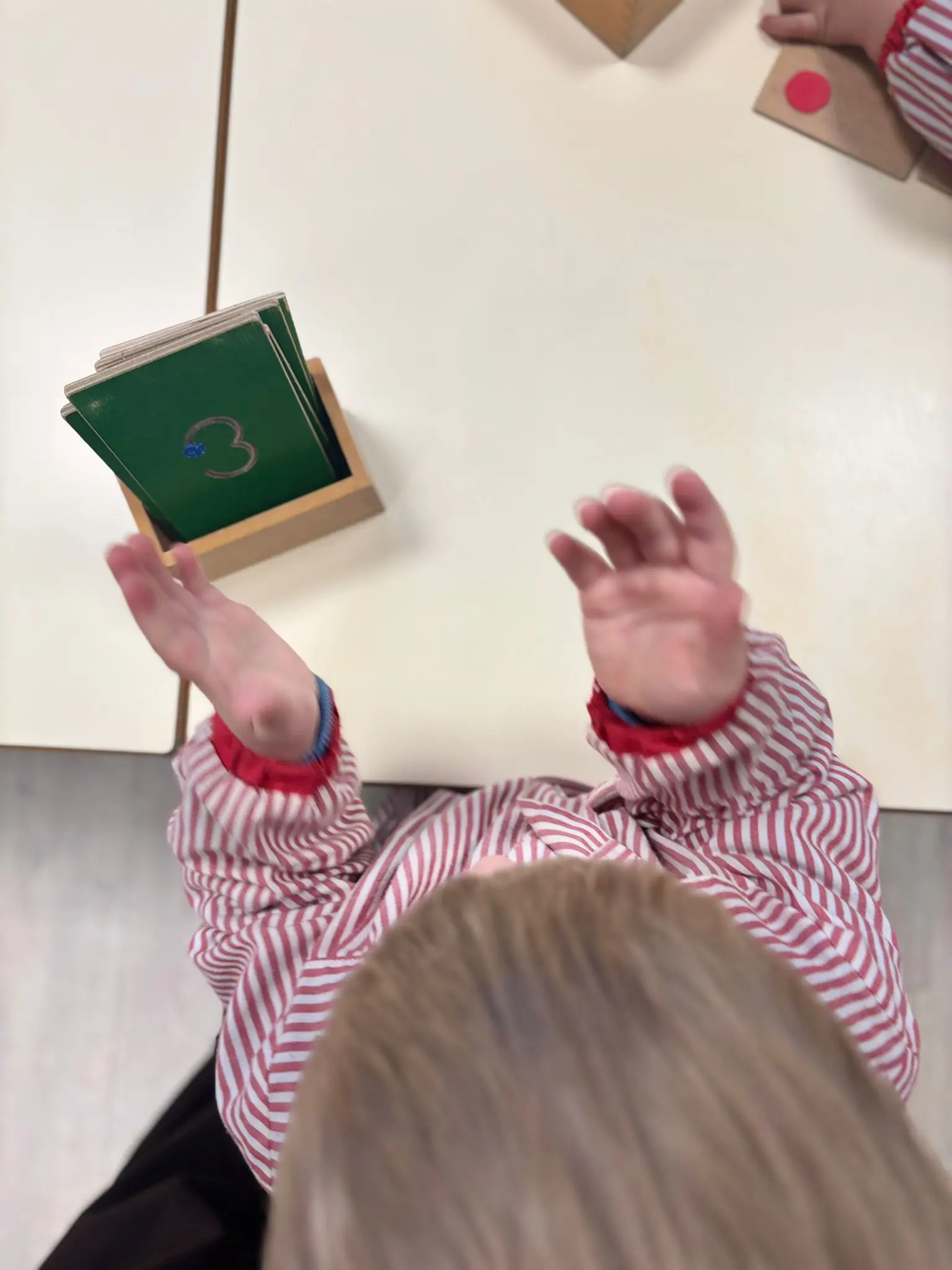
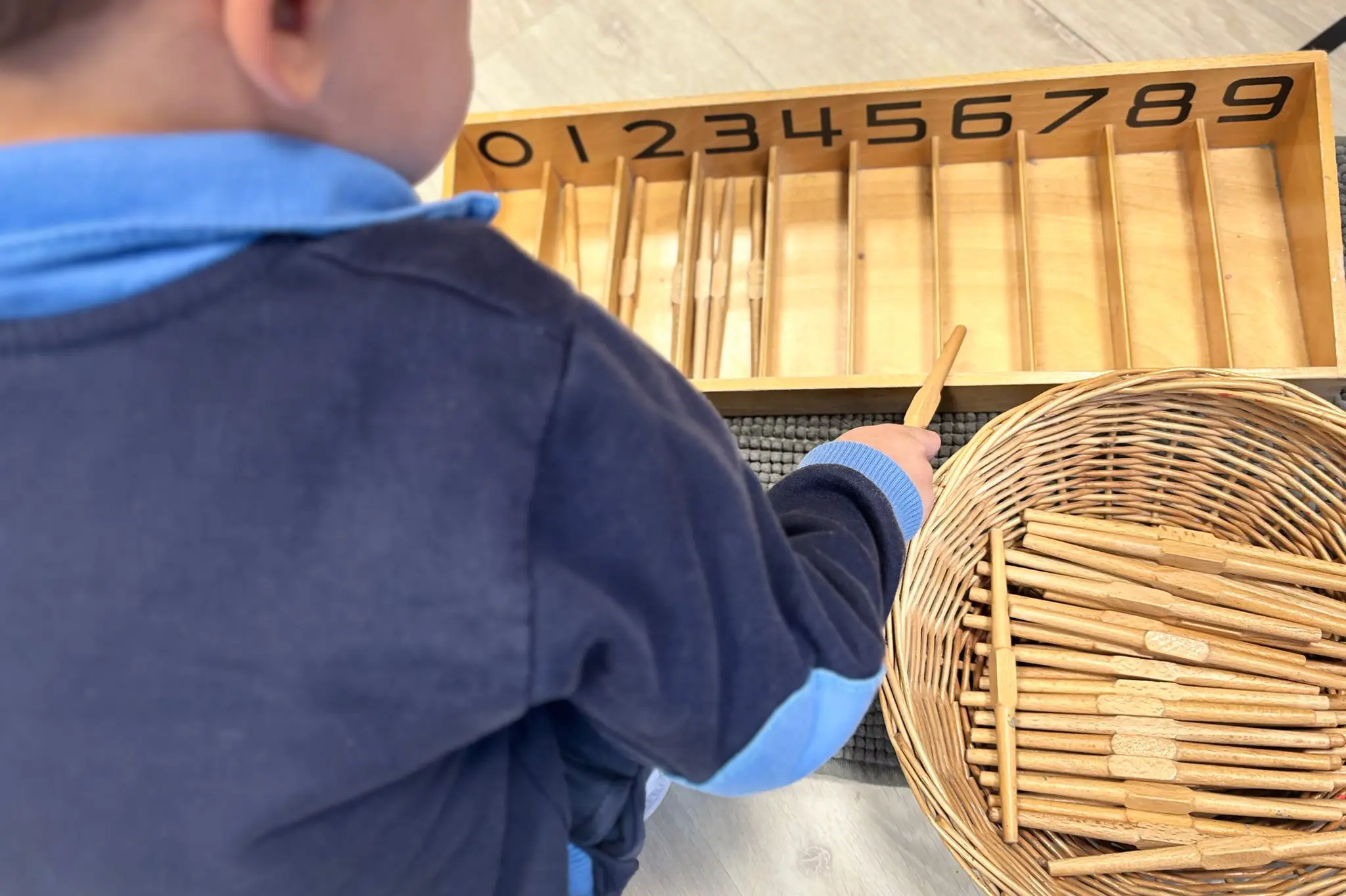
El aprendizaje matemático en el entorno Montessori se lleva a cabo de manera tangible y lúdica. Los materiales manipulativos, permiten a los niños explorar conceptos matemáticos de forma concreta. Por ejemplo, pueden visualizar el número y desarrollar su comprensión del valor numérico.
A través de juegos y actividades prácticas, los niños comienzan a entender la relación entre números y cantidades. Esta base sólida es esencial para su desarrollo posterior en matemáticas. La idea es que los pequeños se sientan cómodos con los números y desarrollen una actitud positiva hacia las matemáticas, lo que será crucial en sus estudios futuros.
Sensorial
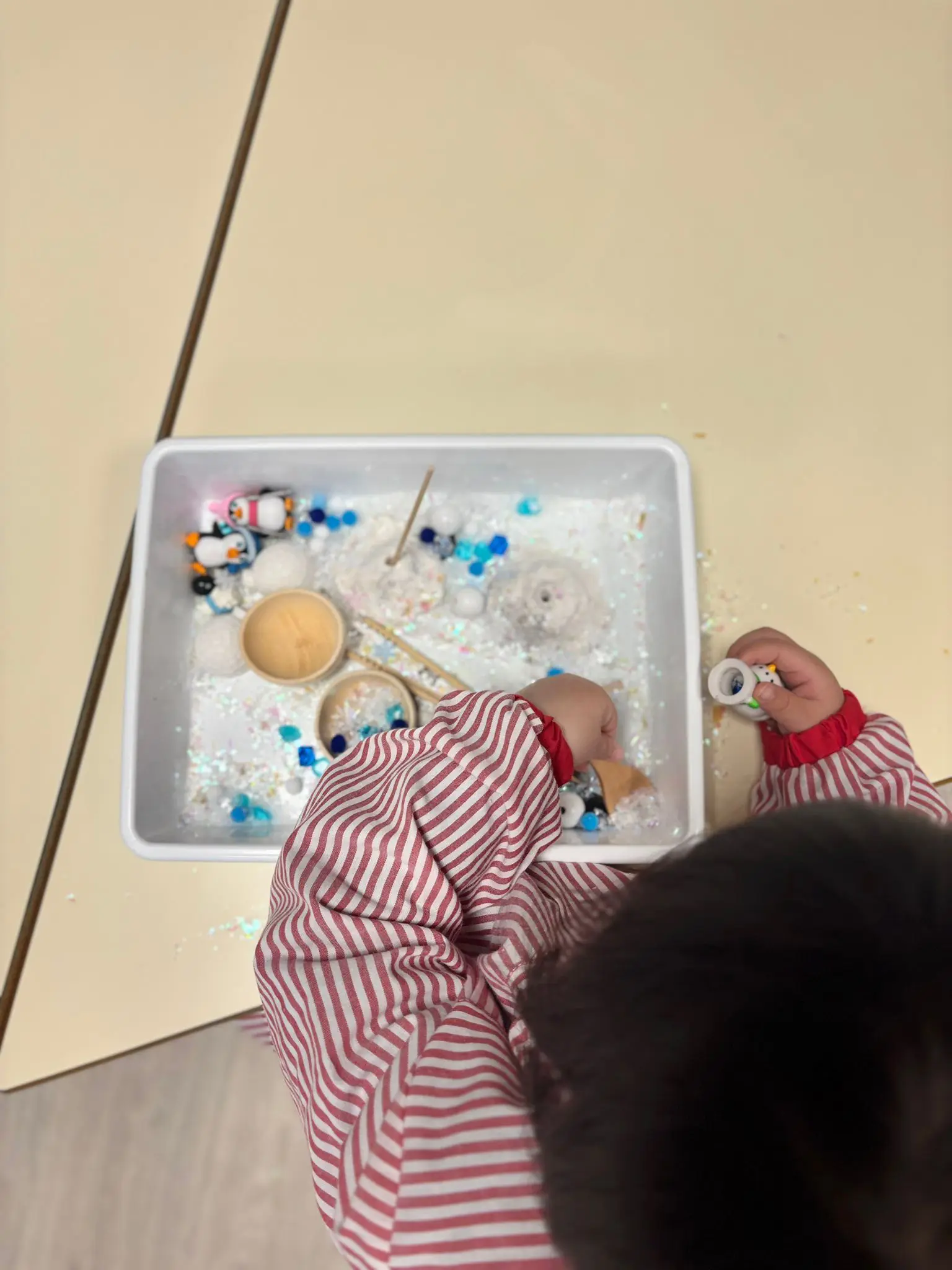
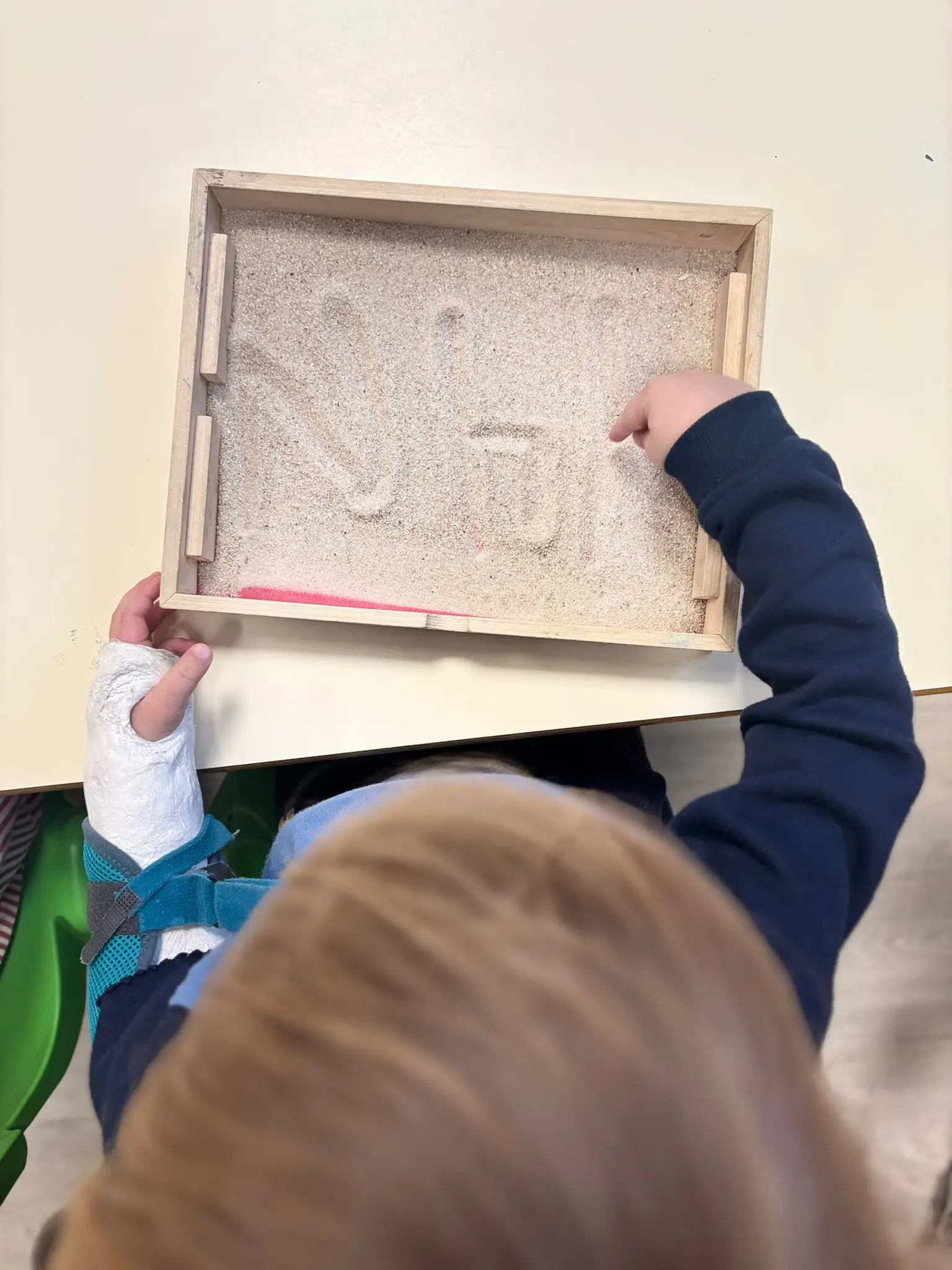
La educación sensorial es otro pilar del método Montessori. A través de actividades diseñadas específicamente, los niños aprenden a afinar sus sentidos y a desarrollar su percepción del mundo.
Estos ejercicios sensoriales no solo enriquecen su vocabulario y comprensión, sino que también mejoran su capacidad para observar y analizar. A través de la exploración sensorial, los niños desarrollan una visión más profunda de su entorno y aprenden a conectar las experiencias con su aprendizaje.
Poco a poco, nuestros pequeños van adquiriendo nuevos contenidos y habilidades que son esenciales para su crecimiento. El enfoque Montessori, con su énfasis en la vida práctica, las matemáticas y la educación sensorial, prepara a los niños para el siguiente paso en su aprendizaje, tanto en el aula como en la vida diaria. Al fomentar la autonomía, la curiosidad y la confianza, estamos sentando las bases para un aprendizaje significativo y duradero.
Working with Montessori materials
Working with Montessori materials in the 3-year-old classroom Practical life, mathematics and sensory activities
In the Montessori environment for 3-year-olds, every activity becomes a valuable opportunity to learn through exploration and direct experience. At this age, children are naturally curious and eager to discover the world around them. With the Montessori approach, they are provided with a space designed to encourage their independence and develop essential skills that will accompany them in their daily lives.
Practical life
Practical life activities are fundamental to the Montessori method. These tasks allow children to learn skills that are not only useful in the classroom, but also in their everyday lives. For example, activities such as pouring water, buttoning shirts, or cleaning tables not only develop their fine motor skills, but also teach them responsibility and organisation.
Children feel happy when they are able to perform these tasks on their own. Over time, this autonomy translates into confidence, which encourages them to take on new challenges both in the classroom and at home. In addition, these activities promote concentration and coordination, which are key elements for learning in all areas.
Mathematics
Mathematical learning in the Montessori environment is carried out in a tangible and playful way. Manipulative materials allow children to explore mathematical concepts in a concrete way. For example, they can visualise numbers and develop their understanding of numerical value.
Through games and practical activities, children begin to understand the relationship between numbers and quantities. This solid foundation is essential for their further development in mathematics. The idea is for children to feel comfortable with numbers and develop a positive attitude towards mathematics, which will be crucial in their future studies.
Sensory:
Sensory education is another pillar of the Montessori method. Through specifically designed activities, children learn to refine their senses and develop their perception of the world.
These sensory exercises not only enrich their vocabulary and understanding, but also improve their ability to observe and analyse. Through sensory exploration, children develop a deeper understanding of their environment and learn to connect experiences with their learning.
Little by little, our little ones acquire new knowledge and skills that are essential for their growth. The Montessori approach, with its emphasis on practical life, mathematics and sensory education, prepares children for the next step in their learning, both in the classroom and in everyday life. By fostering autonomy, curiosity and confidence, we are laying the foundations for meaningful and lasting learning.